
If you are comparing eggshell vs. semi-gloss paint, you are already asking the right question. The finish you choose affects how your walls look, how they wear over time, and how easy they are to maintain. Yet most homeowners are only told “walls get eggshell, trim gets semi-gloss” without much explanation. That shortcut leaves a lot of room for regret later.
We will talk about how each finish behaves, where it actually performs best, and what tends to go wrong when the wrong sheen is used. The goal is clarity, not confusion.
Key Takeaways:
- Eggshell vs. semi-gloss paint choices should be based on surface use, not just appearance or color preference.
- Eggshell paint works best on large wall areas where lower sheen helps reduce glare and soften imperfections.
- Semi-gloss paint offers stronger adhesion and easier cleaning, making it better for trim, doors, and moisture-prone areas.
- Light exposure changes how eggshell vs. semi-gloss paint appears, especially in rooms with large windows.
- Matching the right finish to the right surface helps paint last longer and keeps maintenance manageable.
Why Paint Finish Matters More Than Most People Think
Paint color gets all the attention, but finish controls performance. Sheen affects light reflection, surface texture, adhesion, and how well the paint holds up to water, dust, mildew, and routine cleaning. Even the best paint can disappoint if the finish is wrong for the surface.
When homeowners struggle with scuff marks, uneven shine, or constant touch-ups, the issue is often not the paint brand. It is the finish choice. That is why understanding eggshell vs. semi-gloss paint upfront saves time and frustration later.
Starting With Eggshell Paint And Where It Shines
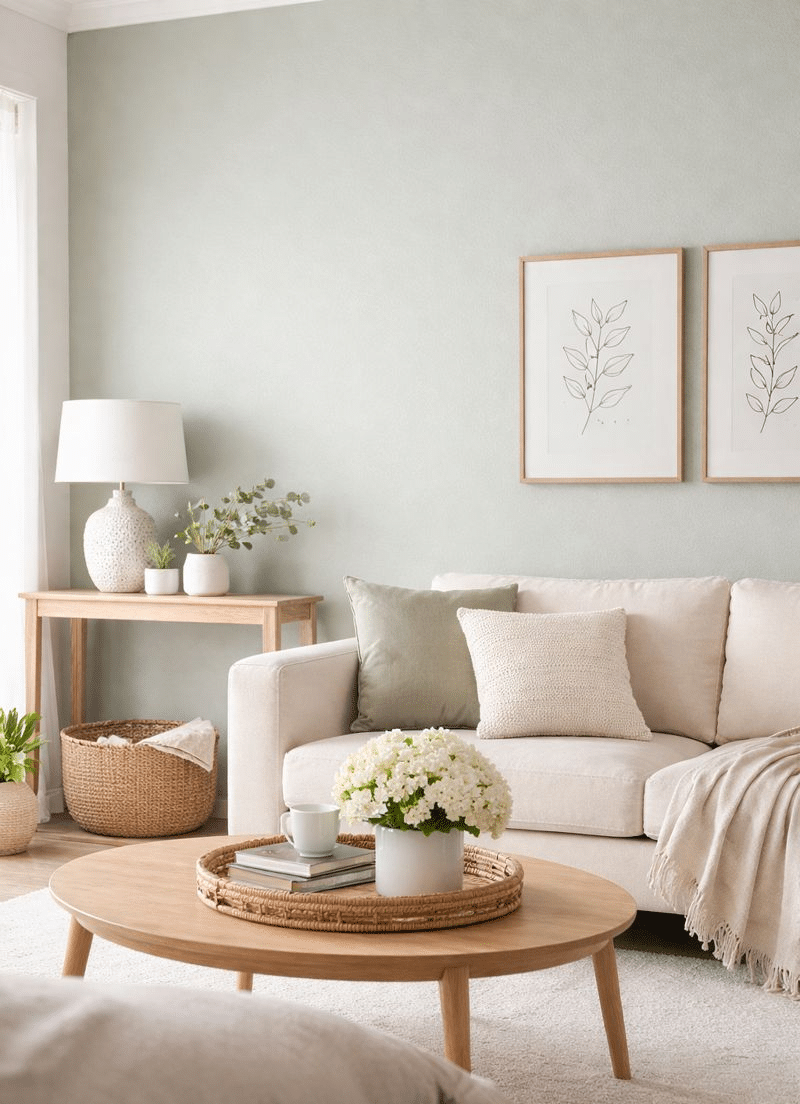
Eggshell paint sits in the low-sheen category. It has a soft glow that reflects a small amount of light without looking shiny. That balance makes it one of the most common finishes used inside homes.
Eggshell paint works well on larger surfaces where subtle texture matters more than reflectivity. It tends to soften the look of drywall, plaster, and even lightly textured surfaces like stucco finishes used indoors.
Common reasons homeowners choose eggshell paint include:
-
Reduced glare under natural and artificial light
-
Better coverage on walls with minor surface flaws
-
A smoother visual appearance across large rooms
Eggshell paint also holds pigment well, which helps color appear richer and more even. This matters when working with warm neutrals, deeper colors, or layered color schemes.
Semi-Gloss Paint And Why It Behaves Differently
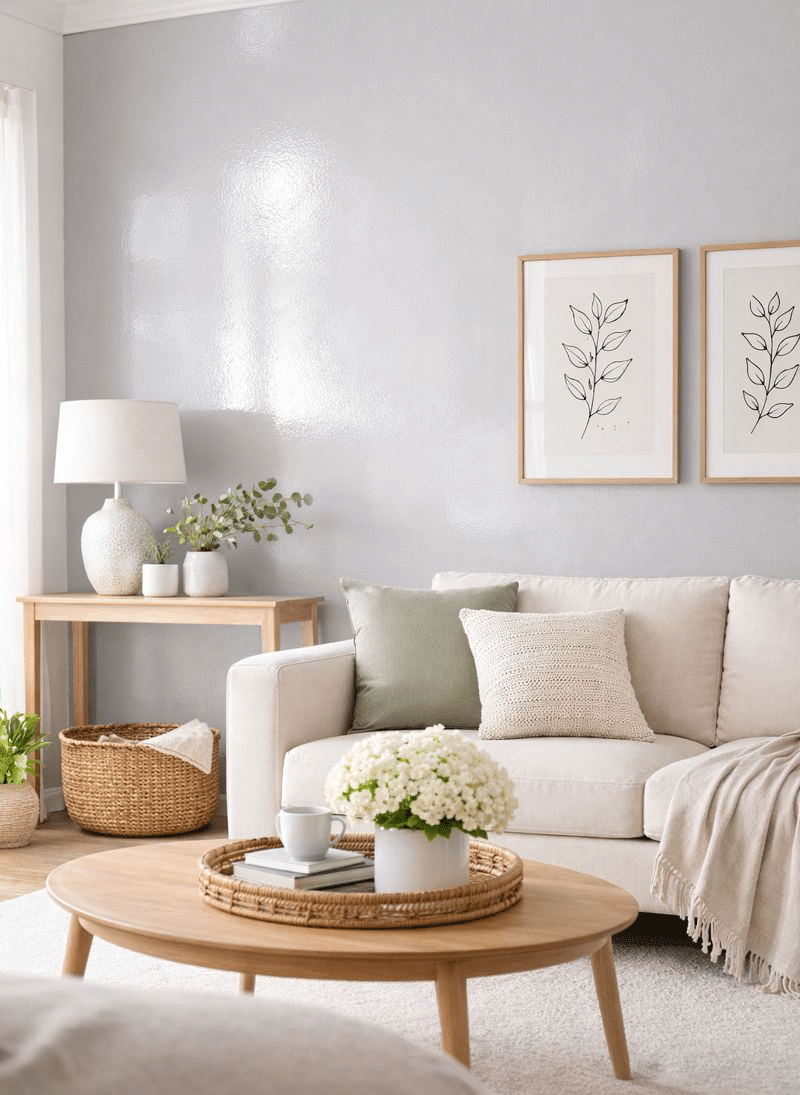
Semi-gloss paint lives on the opposite end of the spectrum. It reflects much more light and has a harder surface once cured. This finish contains more resins, which increases adhesion and durability.
Because of that structure, semi-gloss paint resists water, stains, and frequent contact better than eggshell. It is often used on surfaces that get touched, bumped, or wiped down regularly.
Semi-gloss paint is commonly used on:
-
Trim and baseboards
-
Doors and window frames
-
Cabinets and built-ins
-
Areas near sinks or water exposure
That higher sheen also makes surface details stand out. On trim or woodwork, this is usually a benefit. On walls, it can exaggerate imperfections.
How Light Changes The Look Of Eggshell vs. Semi-Gloss Paint
Light plays a major role in how eggshell vs. semi-gloss paint appears once applied. The same color can look completely different depending on sheen and lighting direction.
Eggshell paint diffuses light. Instead of bouncing it directly back, it softens the reflection. This helps walls look more consistent throughout the day, especially in rooms with windows.
Semi-gloss paint reflects light directly. This creates sharper highlights and shadows, which can emphasize gloss, texture, and even roller marks if the surface prep was rushed.
This difference explains why eggshell is preferred for most walls, while semi-gloss is better suited for smaller surfaces where reflection is controlled and intentional.
Durability And Daily Wear Compared Side By Side
Durability is often the deciding factor when choosing eggshell vs. semi-gloss paint, but durability means different things depending on location.
Eggshell paint is durable enough for normal living spaces. It handles light contact, occasional cleaning, and everyday wear better than flat paint. However, frequent scrubbing can break down the finish over time.
Semi-gloss paint handles repeated cleaning much better. Its harder surface resists abrasion and moisture, making it a smart choice near windows, doors, and areas exposed to water or dust.
In simple terms:
-
Eggshell holds up well where traffic is moderate
-
Semi-gloss holds up where cleaning is frequent
Cleaning Expectations And Long-Term Maintenance
Maintenance is where many homeowners notice the biggest difference between eggshell vs. semi-gloss paint.
Eggshell paint can be cleaned gently, but aggressive scrubbing may leave burnished spots. Over time, repeated cleaning can change the sheen in high-touch areas.
Semi-gloss paint allows for easier wipe-downs. Water, mild cleaners, and routine dusting do not affect the finish as quickly. This is helpful in kitchens, bathrooms, and near windows where condensation can attract dust or mildew.
If you want to understand how finish affects surface smoothness and final appearance, how to get a super smooth paint finish explains how preparation and application influence results regardless of sheen.
Texture, Feel, And Surface Feedback
Eggshell paint dries to a smooth but soft feel. It does not feel sticky once cured and tends to hide minor application inconsistencies like lap marks.
Semi-gloss paint can feel firmer and slightly tacky during the curing phase. Proper dry time between coats matters more here, especially when applying over wood, concrete, or masonry surfaces.
Texture differences are tied directly to resin content. More resin means stronger adhesion, higher gloss, and increased visibility of surface flaws.
Cost Differences And What Actually Matters
Eggshell paint is typically less expensive than semi-gloss due to lower resin content. On a per-gallon basis, the difference may seem small, but it adds up on larger projects.
That said, cost alone should not drive the decision. Choosing a finish that wears poorly in a high-use area often leads to repainting sooner, which costs more in the long run.
The real value comes from matching the finish to the surface and usage, not from saving a few dollars per gallon.
Choosing The Right Finish Room By Room

When deciding between eggshell vs. semi-gloss paint, room function matters more than trends.
Eggshell paint is commonly used for:
-
Living rooms and bedrooms
-
Hallways and stairwells
-
Dining rooms and offices
Semi-gloss paint is better suited for:
-
Trim, doors, and windows
-
Kitchens and bathrooms
-
Cabinets and built-in storage
In spaces where moisture is present, pairing the right finish with proper ventilation helps reduce mildew and moisture-related wear.
For homeowners comparing finishes beyond these two, satin paint vs. matte paint provides context on how sheen impacts durability and appearance across a wider range.
Color Testing And Finish Interaction
Finish can change how color reads on a wall. Glossier finishes reflect more light, which can make colors appear brighter or slightly lighter.
Before committing, testing both color and finish together is the safest approach. How to test paint samples explains why testing only color without sheen often leads to surprises after the full application.
Eggshell tends to mute color slightly, while semi-gloss amplifies contrast and brightness.
Application Method And Finish Results
How paint is applied also affects how eggshell vs. semi-gloss paint performs visually. Spray, roll, and brush techniques each leave a different texture.
Semi-gloss paint is less forgiving of inconsistent application. Brush strokes and roller texture can show more clearly if the surface is not prepared evenly.
Eggshell paint hides minor inconsistencies better. Still, preparation matters. Dust, sanding residue, and surface repairs influence adhesion and final appearance.
If you are curious how application methods affect finish consistency, spray vs. roll painting outlines the strengths of each approach.
How Professional Painters Approach Finish Selection
Professional painters look at more than color charts. They consider surface condition, exposure to water, traffic patterns, and long-term maintenance when choosing eggshell vs. semi-gloss paint.
This process often includes:
-
Evaluating the surface material like drywall, wood, brick, or concrete
-
Identifying areas exposed to water, dust, or frequent contact
-
Selecting primer and finish based on adhesion and durability needs
For homeowners working with painters in Daphne, AL, this level of planning helps prevent mismatched finishes and uneven wear over time.
Final Thoughts On Eggshell Vs. Semi-Gloss Paint
Choosing eggshell vs. semi-gloss paint comes down to function, light, and maintenance expectations. Eggshell offers a softer look that works well on walls and large surfaces. Semi-gloss provides durability and cleanability where contact and moisture are common. When finishes are matched correctly, paint lasts longer and looks better over time.
Our process and how we help:
-
We evaluate each surface for water exposure, traffic, and wear
-
We select finishes based on performance, not trends
-
We prep surfaces carefully for proper adhesion and smooth results
-
We apply paint with methods that match the chosen finish
At Ed Wade Painting, we work with homeowners across Daphne, Orange Beach, Gulf Shores, and the surrounding areas to make final decisions that hold up over time.
Call us at 251-336-6477 for a FREE estimate and a conversation that focuses on results, not pressure.