
If your cedar fence in Gulf Shores is already graying, cracking, or fading, choosing the best stain for cedar fence matters more than most homeowners expect. Relentless UV, high humidity, salt air, and heavy seasonal rain put cedar under stress that few inland regions match. Pick the wrong product and you could be restaining within a year; pick the right one and the finish holds for 3 to 5 years or longer.
This post breaks down the stain categories by what they actually do well, and which ones hold up in coastal Alabama specifically.
Key Takeaways
- Oil-based semi-transparent stains outperform water-based options on cedar in humid, coastal climates.
- Stain opacity, transparent through solid, sets both the look and the protection level.
- Cedar’s natural tannins can bleed through light-colored or water-based finishes.
- Gulf Shores fences need stains with built-in mildewcides and UV blockers.
- New cedar fences should wait 5 to 7 weeks before staining so moisture can leave the wood.
- A properly stained, maintained cedar fence can last 20 to 25 years or more.
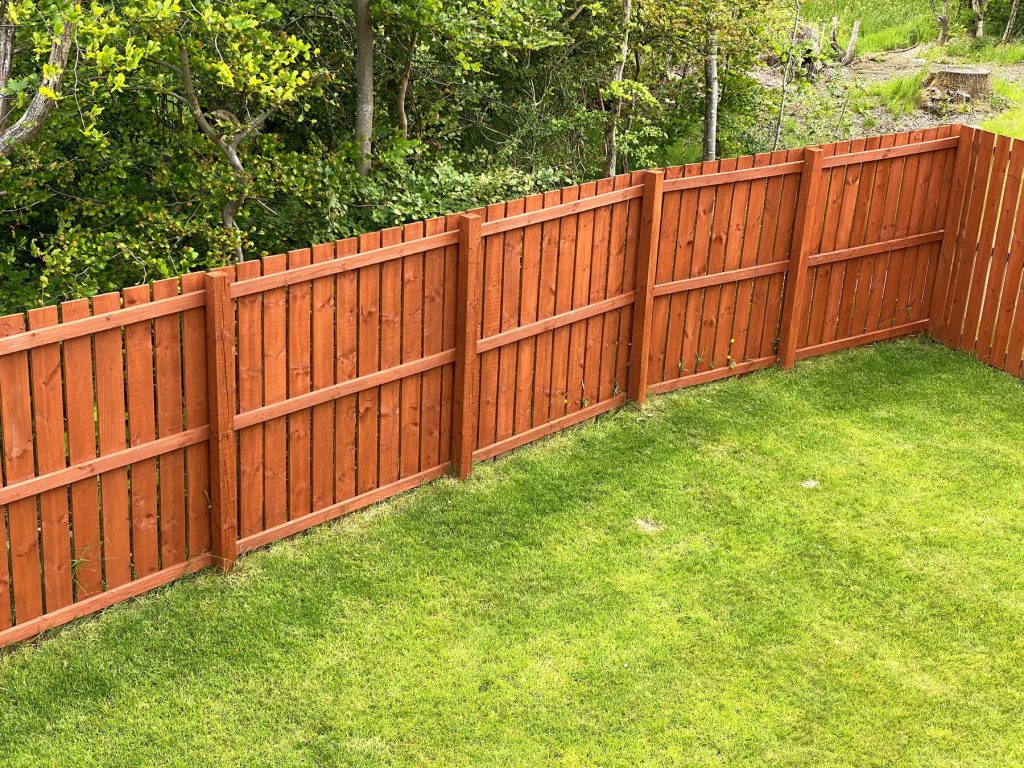
Why Cedar Fences in Gulf Shores Need a Specific Stain
Cedar is a strong fencing material. Its natural oils resist decay and insects, which makes it a premium outdoor choice, but naturally resistant does not mean protected forever. UV rays break down the wood’s lignin, so the surface grays and deteriorates without a finish.
In Gulf Shores, the UV index runs high from spring through fall and the humidity rarely lets up. High humidity speeds mold and mildew growth, which undermines a stain over time. That is why a product that performs fine in a dry climate can fail after one season near the water.
The payoff for choosing well is real. A properly stained, sealed cedar fence can last 20 to 25 years; an untreated one may last only 5 to 10. That gap is a major difference in replacement cost and upkeep.
Oil-Based vs. Water-Based Stain for Coastal Cedar
This is the single most important choice for cedar, because its natural oils and tannins make it behave differently from other woods. Those oils can keep water-based stains from absorbing evenly, leaving blotchy coverage that peels faster.
Oil-based stains penetrate deeper and last longer, usually 3 to 5 years between coats in normal conditions. They handle harsh UV and temperature swings well, regulating moisture in the wood rather than sitting on top as a film that can blister. For coastal Alabama, the best stain for cedar fence is almost always an oil-based semi-transparent.
Water-based stains have improved and emit fewer VOCs, which matters for air quality and is why the EPA VOC standards for architectural coatings cap VOC content. On raw cedar in humidity, though, they need more careful application to avoid uneven absorption.
The 5 Cedar Fence Stain Types, Ranked for Gulf Shores
Not all cedar stains perform the same. Here are five categories, ranked by how well they suit a humid, coastal climate. For most Gulf Shores fences, the best stain for cedar fence sits in the first one.
1. Oil-Based Semi-Transparent: Best Overall for Gulf Coast Cedar
This is where to start if you want color that shows cedar’s grain while protecting the wood. The semi-transparent formula carries just enough pigment to block UV while keeping the grain visible. The oil base penetrates to regulate moisture, which prevents the swelling and cracking humidity causes, so look for one with built-in UV blockers and mildewcides.
2. Oil-Based Semi-Solid: Best for Aging or Weathered Fences
If your fence has started graying or shows surface damage, a semi-solid adds coverage without going fully opaque. It fills in weathering while letting a hint of grain show. It stays breathable, which matters in Gulf Shores since thick, film-forming finishes trap moisture and lead to peeling and mildew.
3. Transparent Penetrating Oil: Best for New or Natural-Look Fences
For a new fence, or to keep cedar’s warm, reddish-brown tone, a clear or transparent oil stain preserves the natural look while still protecting the wood. The trade-off is the least UV protection of any category, so it needs recoating roughly every 1 to 2 years here, versus 3 to 5 for semi-transparent. On a new fence, wait 5 to 7 weeks after installation so the wood dries enough to absorb the stain.
4. Water-Based Semi-Transparent or Semi-Solid: Best for Lower VOCs
Water-based stains dry faster, clean up with soap and water, and emit fewer VOCs. For raw cedar in coastal humidity, they need more care, since cedar’s oils cause uneven absorption. If you choose this route, pick a product formulated for cedar and confirm it includes mildewcide protection.
5. Solid Color Stain: Best for Maximum Coverage
Solid stains look more like paint, hiding the grain entirely for maximum UV protection and color. In humidity, careful prep and application are critical so moisture does not get trapped under the film. One caution: going solid is a one-way move, since you cannot return to a transparent finish without stripping back to bare wood.
What is the Best Stain for a Cedar Fence in Gulf Shores?
Whatever category you pick, a coastal Alabama cedar fence stain needs four things.
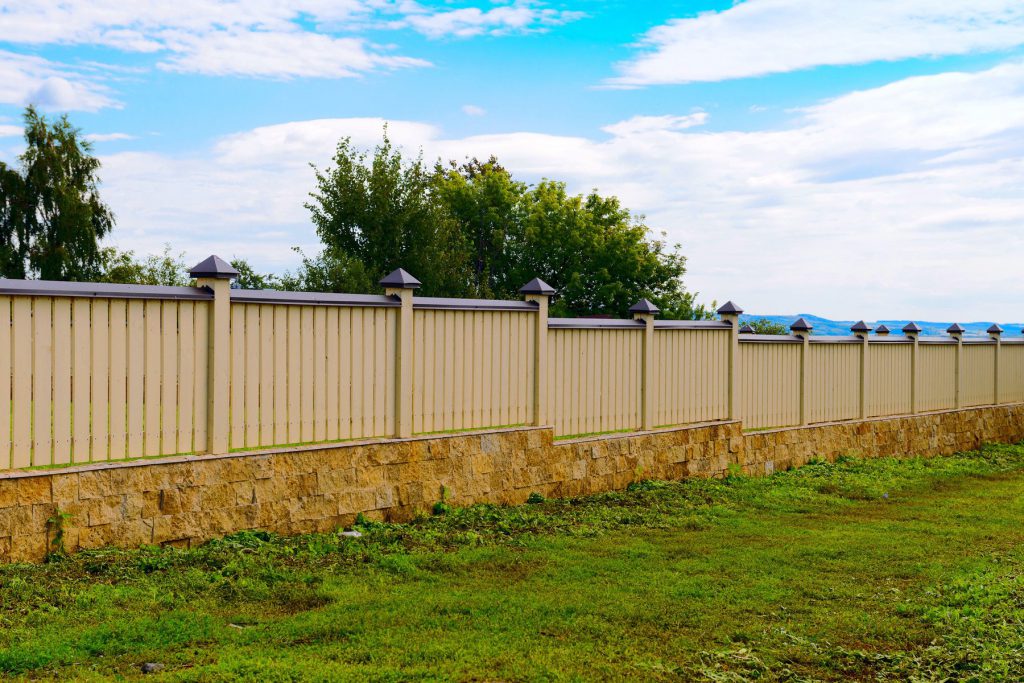
UV blockers: Gulf Coast sun from spring through fall degrades pigment and wood fast, so premium pigment that scatters UV extends color life. Mildewcides: high humidity is ideal for mold, and treated surfaces resist the mildew that deteriorates wood and affects air quality.
Deep penetration: a stain that works into the fibers rather than sitting on top will not peel, which matters on cedar that expands and contracts with Baldwin County’s humidity swings. Water repellency: strong repellency slows the cycle that causes cracks, warping, and rot, and near the water it is non-negotiable.
Application Tips for Gulf Shores Homeowners
Timing and prep matter more than people expect in a coastal climate, and the best stain for cedar fence only earns its lifespan when both are right. Humidity keeps boards swollen and pores damp, and surface moisture stops stain from penetrating evenly, which leads to blotching, peeling, and mildew.
Wait until the wood is truly dry, and work early mornings or late afternoons rather than midday, since intense heat dries stain on the surface before it penetrates and leaves lap marks. Before staining, clean the fence to remove dirt, mildew, and debris; a bleach solution applied and rinsed off works well.
Salt air and humidity speed the buildup of grime, algae, and mildew on coastal fences. Discoloration before staining is organic growth that needs treating, not just rinsing. For the full process on outdoor wood, see our professional fence staining services.
How Often to Restain a Cedar Fence in Gulf Shores
With a quality oil-based product and proper prep, most cedar fences need staining and sealing every 3 to 5 years. Heavy sun or rain can push that shorter.
Check the fence at least once a year. If the color fades, the wood soaks up water faster, or you see cracks or splits, it is time for a new coat. Restaining before the wood degrades is always cheaper than waiting for restoration work.
Should You Hire a Pro or Do It Yourself?
Staining a cedar fence looks approachable, but prep, product choice, and technique all decide how long it lasts. Skipping cleaning, working in the wrong conditions, or picking the wrong stain for the wood’s condition can cut the finish life sharply. A properly prepped and applied finish lasts considerably longer than a rushed one, and over a decade that difference adds up in labor and materials.
Ed Wade Painting has worked across Gulf Shores and Baldwin County since 2011, so the coastal climate and the products that hold up here are familiar territory. The best stain for cedar fence is the one matched to your wood’s condition and applied correctly. See our local exterior painting services for the full picture.
Ready to Stain Your Cedar Fence?
If you want the job done right with a 5-year workmanship warranty behind it, Ed Wade Painting is easy to reach and serves Gulf Shores and Baldwin County Monday through Saturday.
Call 251-336-6477 for a FREE estimate today.