
Choosing between satin paint vs. matte paint sounds simple until the walls are finished and the room does not feel the way you expected. Most homeowners do not regret a color choice. They regret how the finish performs once light, traffic, and daily life enter the picture.
This guide breaks down satin paint vs. matte paint and how each finish behaves on walls. By the end, you will know where each finish works best, where it causes frustration, and how professional painters think about this decision before a single coat goes on.
Key Takeaways:
- Satin paint vs. matte paint comes down to how much light, traffic, and cleaning a room will see over time.
- Matte paint softens walls and hides flaws better, making it a strong choice for bedrooms and low-traffic spaces.
- Satin paint reflects more light and holds up better to cleaning, which helps in hallways, kitchens, and busy rooms.
- Wall condition plays a major role since satin shows surface issues while matte minimizes them.
- Choosing the right finish early helps the paint look better longer and reduces future touch-ups.
Why Paint Finish Matters More Than Most People Expect
Color gets all the attention, yet finish controls how that color lives in a space. Finish affects light bounce, wall texture, cleaning habits, and how long the paint still looks good.
When comparing satin paint vs. matte paint, the real question is not which looks better. The better question is which fits the room and the way it gets used.
A hallway, a bedroom, and a living room all ask different things from paint. The wrong finish can make minor wall flaws stand out or make routine cleaning frustrating.
Understanding The Core Difference Between Satin And Matte
At a basic level, the difference comes down to sheen.
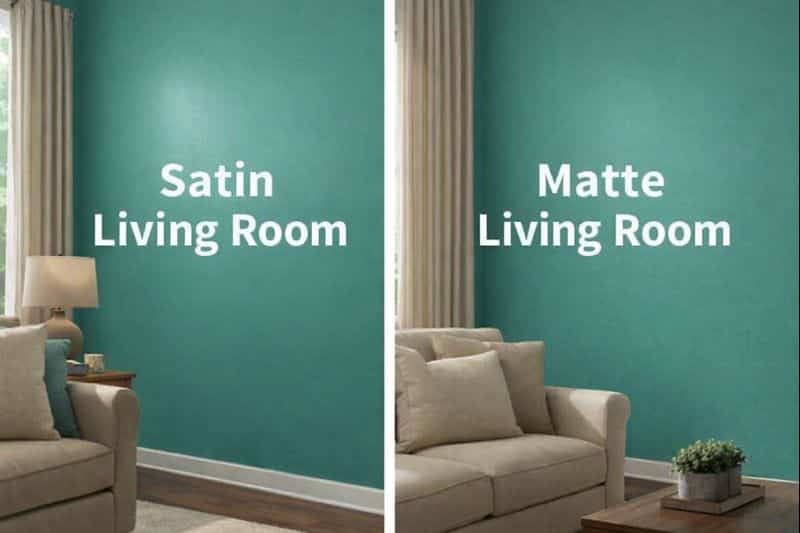
Matte paint has very low light reflection. Satin paint reflects more light and has a soft sheen that sits between eggshell and gloss.
That difference changes everything from how walls look at noon to how they look after five years of use.
Here is the simple breakdown.
-
Matte paint absorbs light and softens surfaces
-
Satin paint reflects light and adds mild shine
-
Satin paint forms a tighter surface film
-
Matte paint feels more porous and velvety
Both are widely used interior finishes, often made with latex or acrylic paint systems and paired with the right primer for proper adhesion.
How Light Changes The Look Of Satin Paint Vs. Matte Paint
Light exposure is one of the most overlooked factors when choosing between satin and matte paint.
Satin paint reacts strongly to natural and artificial light. Windows, skylights, and bright overhead lighting all amplify sheen. In sun heavy rooms, satin can appear shinier than expected and can reveal surface texture, roller marks, or uneven drywall.
Matte paint handles light very differently. It softens glare and reduces reflection, which helps mask minor flaws. In rooms with strong sunlight, matte keeps walls calm and consistent throughout the day.
However, in darker rooms with limited windows, matte can make spaces feel smaller or flatter. Satin helps bounce available light around the room and can help a space feel more open.
Wall Imperfections And What Each Finish Reveals
No wall is perfect. Even newer homes have patched seams, nail pops, and subtle texture changes.
This is where satin paint vs. matte paint becomes a practical decision.
Matte paint hides:
-
Drywall seams
-
Small dents and patches
-
Slight roller texture
-
Past repairs
Satin paint reveals:
-
Paint lines and lap marks
-
Orange peel texture
-
Uneven wall repairs
-
Application inconsistencies
That is why professional painters often recommend matte finishes for older homes or walls that have been repaired multiple times. Satin requires more surface preparation and consistent application to avoid visible flaws.
This also ties directly into achieving a smooth paint finish, which depends on prep, tools, and technique rather than sheen alone.
Durability In Everyday Living Spaces
Durability is often where satin paint pulls ahead.
Satin paint forms a tighter surface due to added resins, which increases resistance to scuffs, marks, and light impacts. It also holds up better when exposed to moisture, making it a stronger option near kitchens, bathrooms, and windows.
Matte paint sacrifices durability for appearance. While it looks great initially, it marks more easily and does not tolerate frequent wiping. Over time, touch ups can become noticeable because matte absorbs paint differently during spot repairs.
For high traffic areas, satin paint often performs better long term. For low traffic spaces, matte paint stays visually consistent longer.
Cleaning And Maintenance Expectations
Cleaning habits should guide the satin paint vs. matte paint decision more than most people realize.
Satin paint allows for light cleaning with water and mild cleaners. Fingerprints, smudges, and dust can usually be wiped without damaging the finish. This makes it suitable for hallways, entryways, and family rooms.
Matte paint does not clean the same way. Wiping often leaves burnished spots or shiny patches where pigment gets disturbed. Over time, repeated cleaning can change the look of the wall.
That is why matte paint still works best in rooms that see less contact, like bedrooms and formal living spaces.
Texture And Feel Up Close
Finish is not just visual. It is tactile.
Satin paint has a slightly slick feel. As sheen increases, so does surface tightness. This can feel smoother but also slightly tacky in humid conditions.
Matte paint feels softer and more powdery to the touch. Darker colors in matte finishes often appear deeper and richer because light does not scatter off the surface.
These texture differences influence how walls feel when brushed against and how they visually age over time.
Where Satin Paint Typically Performs Best
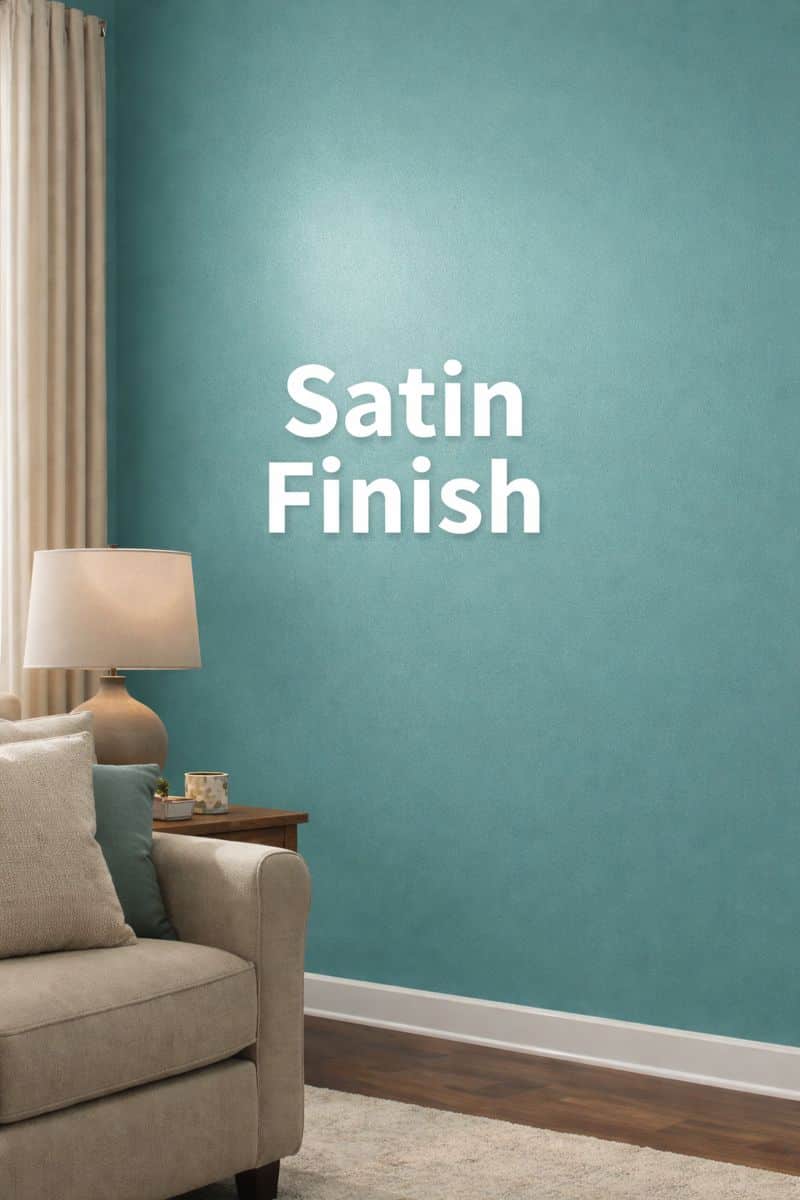
Satin paint earns its place in rooms that demand balance between appearance and durability.
Common uses include:
-
Hallways and stairwells
-
Family rooms
-
Kids bedrooms
-
Kitchens with proper ventilation
-
Areas near windows
Satin works well when paired with proper surface prep, strong adhesion, and the right primer. It also benefits from professional application methods such as spray vs. roll painting, which affects how evenly the sheen lays across large surfaces.
Where Matte Paint Makes More Sense
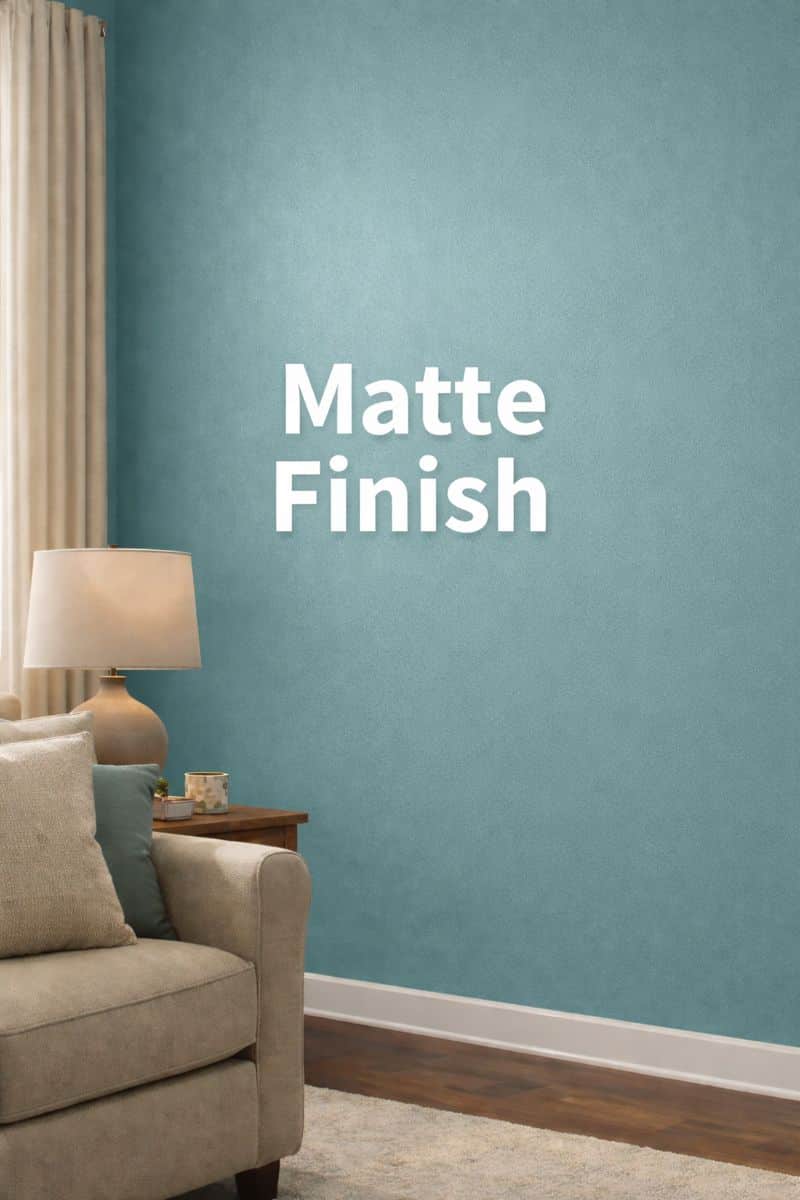
Matte paint shines in spaces where visual calm matters more than durability.
Ideal areas include:
-
Bedrooms
-
Dining rooms
-
Living rooms with controlled lighting
-
Ceilings
-
Older homes with wall irregularities
Matte also helps unify large surfaces where consistency matters more than reflectivity.
Color sampling becomes especially important here. Testing how matte absorbs color under different lighting conditions avoids surprises after the final coat. That is where understanding how to test paint samples plays a role in planning.
Cost Differences And What Drives Them
When comparing satin paint vs. matte paint, cost differences usually come down to formulation.
Satin paint costs more due to higher resin content. Those resins improve durability, washability, and flexibility. Matte paint uses more pigment and fewer binders, which lowers material cost.
That said, labor and prep often outweigh paint price differences. Satin requires more careful surface preparation and consistent application. Matte allows slightly more forgiveness during application.
How Professionals Decide Between Satin And Matte
Professional painters do not choose finishes in isolation. They consider:
-
Wall condition
-
Lighting direction
-
Room usage
-
Cleaning expectations
-
Existing textures
-
Long term maintenance
They also factor in primers, paint systems, and environmental conditions like humidity that affect adhesion and drying.
For example, rooms with higher moisture risk may benefit from satin even if matte looks better initially. Areas prone to mildew need finishes that tolerate cleaning without surface breakdown.
Common Mistakes Homeowners Make With Paint Finish
Most issues with satin paint vs. matte paint come from mismatched expectations.
Common mistakes include:
-
Choosing satin for heavily textured or uneven walls
-
Using matte in high traffic areas
-
Expecting matte paint to clean like satin
-
Underestimating how light impacts sheen
-
Ignoring surface preparation
These mistakes often lead to frustration after the house painting project is finished, rather than during planning.
How Our Painting Process Addresses Finish Selection
At Ed Wade Painting, finish selection is part of the planning stage, not an afterthought. Our process focuses on surface condition, lighting, and room function before recommending satin paint and matte paint.
Our approach includes:
-
Evaluating wall condition and prior repairs
-
Reviewing natural and artificial lighting
-
Selecting proper primer for adhesion
-
Matching finish to room usage
-
Applying consistent coats with controlled technique
This is how expert painters in Columbia, MO approach interior finishes that look right and perform well over time.
Final Thoughts On Satin Paint Vs. Matte Paint
Choosing between satin paint vs. matte paint is less about preference and more about function. Matte offers visual softness and flaw concealment, while satin delivers durability and easier maintenance. Each finish has a place when matched correctly to the space.
Understanding how light, texture, and daily use affect paint helps avoid disappointment after the project is complete. The right finish supports the color rather than fighting it. When finish decisions are made early, the final result feels intentional and balanced.
If you want help selecting the right finish and having it applied correctly, Ed Wade Painting serves Fairhope, Daphne, Orange Beach and the surrounding areas.
Call us at 251-336-6477 for a FREE estimate and clear guidance that fits your home.