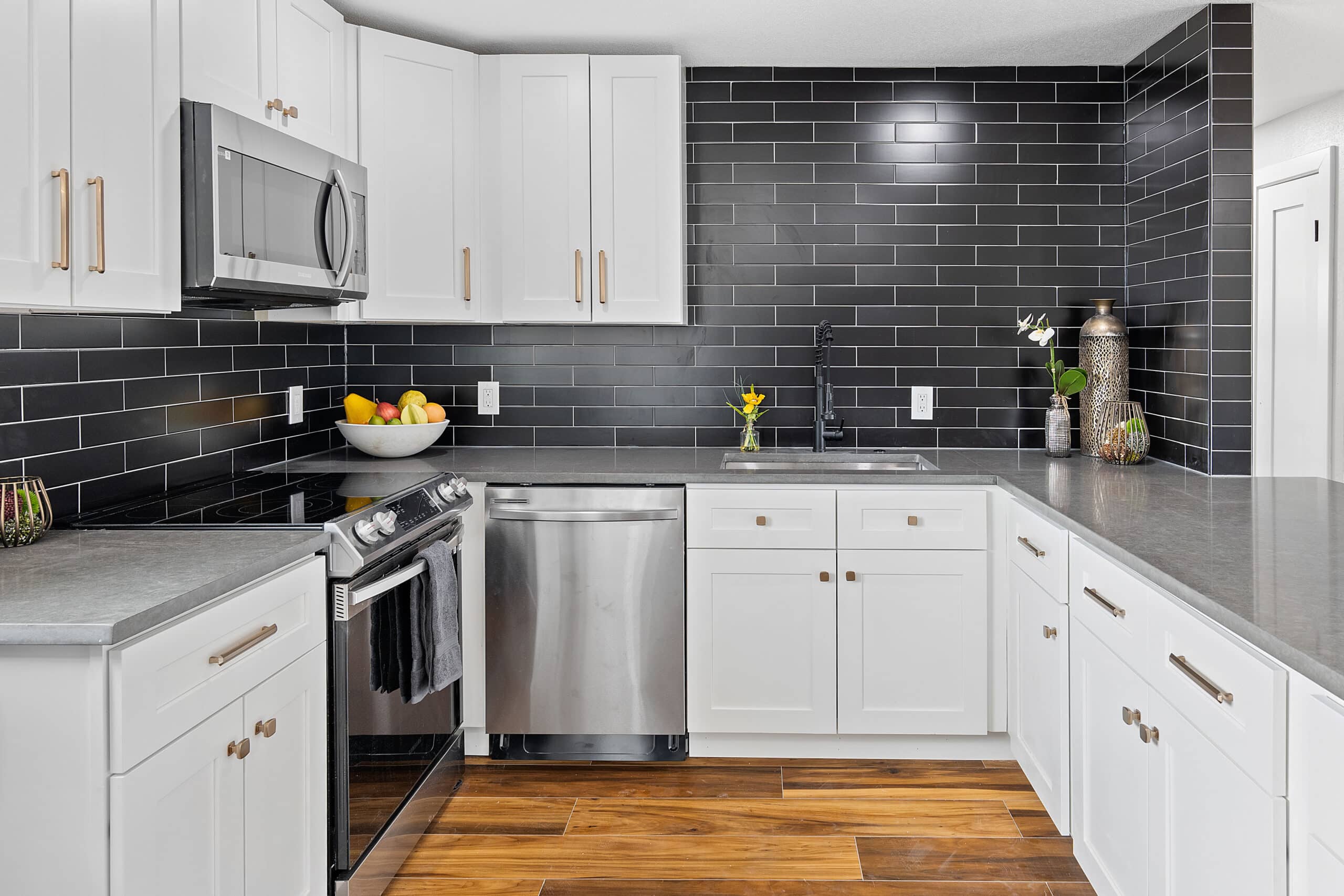
You’re standing in your kitchen, staring at those outdated cabinets, and wondering if there’s a way to refresh them without emptying your bank account. If you’ve been searching for “painting companies near me” or asking yourself, “Can you paint over cabinets?” you’re about to get the straight answer you need.
Yes, you can paint over cabinets—and, when done right, it transforms tired kitchens into spaces you’ll actually want to spend time in. For Fairhope homeowners watching their budgets, this delivers the style update you want without the replacement price tag that makes you wince. But how does it really work? Let’s break down what you need to know before starting.
Key Takeaways
The Real Answer About Painting Over Your Cabinets
Here’s what cabinet painters won’t always tell you upfront: can you paint over cabinets successfully? Absolutely. Will any paint job last? Not even close.
The difference comes down to thorough preparation and using materials specifically designed for the job. When homeowners search for painters near me, they’re often hoping to save money with a quick fix. But rushed cabinet painting fails within months, leaving you worse off than when you started.
Think about your cabinets as the hardest-working surfaces in your home. They get touched dozens of times daily, splashed with cooking grease, and wiped down constantly. A basic wall paint won’t survive this treatment. Your cabinets need bonding primers and durable topcoats specifically formulated to handle the abuse.
What Types of Cabinets Accept Paint?
Not all cabinet surfaces are equally welcoming to paint. Understanding your current cabinet material determines whether painting is a viable option or if you’re fighting a losing battle.
The cabinets you cannot paint? Genuine high-gloss plastic laminates and metal cabinets present such challenging adhesion issues that replacement often costs less than proper preparation work.
Surface Preparation: Where Most Cabinet Painting Projects Fail
You want to know why most painted cabinets look rough within a year? The painters skipped proper prep work. When you search for cabinet painting solutions, you’ll find countless DIY tutorials promising “easy weekend transformations.” Those projects rarely survive until Christmas.
Primer: The Foundation of Long-Lasting Cabinet Painting
Can you paint over cabinets without a primer? Technically yes. Will those cabinets look terrible within months? Absolutely guaranteed.
Primer serves as the bridge between your cabinet surface and the topcoat. For wood cabinets, it seals the grain and creates a uniform surface. For laminate and MDF, bonding primers provide the mechanical grip that standard paint cannot achieve on smooth surfaces.
In Fairhope’s humid climate, the choice of primer matters more than in drier regions. Moisture seeps under paint films that lack proper adhesion, causing blistering and peeling. Quality cabinet painters select primers formulated for high-humidity coastal environments.
Stain-blocking primers stop wood tannins from showing through paint. Yellow spots indicate that this important barrier was overlooked. Now that we’ve covered primers, it’s time to examine the selection of the right paint for cabinets closely.
Paint Selection for Cabinets That Last
Not all paints work equally well on cabinets. The difference between bargain paint and professional-grade products becomes apparent quickly on surfaces that receive constant use.
Water-based alkyd paints offer easy cleanup with durability comparable to traditional oil-based formulations. These hybrids have become favorites among cabinet painters because they level smoothly while resisting yellowing.
On the other hand, 100% acrylic latex paints offer excellent adhesion and flexibility, which is particularly important in Fairhope, where temperature and humidity fluctuations cause wood to expand and contract slightly. Cheaper vinyl-acrylic paints crack under this stress.
Finish choice affects both appearance and durability. Satin and semi-gloss finishes hide imperfections better than gloss while providing easier cleaning than flat or matte sheens. When painting companies near me discuss finish options, they should explain these practical trade-offs rather than just asking what you prefer.
The application method also influences results. Spraying produces the smoothest finish but requires extensive masking. Rolling and brushing take longer but give DIYers better control. Professional cabinet painters often spray cabinet boxes and roll doors to strike a balance between quality and efficiency.
The Cost Reality: Cabinet Painting vs. Replacement
Here’s the financial truth driving most homeowners toward cabinet painting: full cabinet replacement typically runs $8,000-$25,000 for an average Fairhope kitchen, while professional cabinet painting costs roughly $2,500-$6,000 for the same space.
That price difference explains why searches for “can you paint over cabinets” spike every spring when homeowners start thinking about kitchen updates. The savings are substantial—but only if the paint job actually lasts.
Cheap cabinet painting that fails within two years costs you twice: once for the failed work, and again for the do-over. This reality makes choosing quality cabinet painters more valuable than finding the lowest bid.
Factor time into your cost analysis as well. Cabinet replacement disrupts your kitchen for weeks while new boxes get built and installed. Professional cabinet painting typically takes 3-5 days, with most of that time dedicated to drying between coats, rather than active work that blocks your space.
Maintenance for Painted Cabinets
Even the best cabinet painting job requires proper care to maximize its lifespan. Think of your newly painted cabinets as an investment that needs protection, not a set-it-and-forget-it solution.
When Cabinet Painting Makes Sense
Not every kitchen cabinet deserves painting. Sometimes replacement makes more financial and practical sense, even with the higher cost.
Cabinet Painting Works Best When…
Consider Replacement Instead When…
Honest cabinet painters will tell you when replacement serves you better than painting. If someone quotes your job without inspecting the cabinet condition carefully, they’re either inexperienced or hoping you won’t notice problems until after they get paid.
Finding the Right Cabinet Painters for Your Project
Can you paint over cabinets yourself? Sure. Should you tackle it as a weekend DIY project? That depends on your skill level, time availability, and tolerance for living with mistakes.
Professional cabinet painting costs more than DIY, but experienced cabinet painters bring advantages beyond just saved labor. They know which products work in Fairhope’s climate, own proper spraying equipment, understand wood behavior, and warrant their work.
When evaluating painting companies near me for your cabinet project, look past the quoted price. Ask about their surface preparation process in detail. How do they handle grease removal? What primers do they use for different cabinet materials? How many coats do they apply? What’s their typical timeline?
Check their work process by requesting references from recent cabinet painting projects. Look at cabinets that have been in service for at least a year—fresh paint always looks good, but durability reveals itself over time.
Understand their warranty before signing anything. What specific issues does it cover? For how long? Does it include labor for touch-ups or just materials? Quality cabinet painters back their work with warranties that demonstrate confidence in their methods and materials.
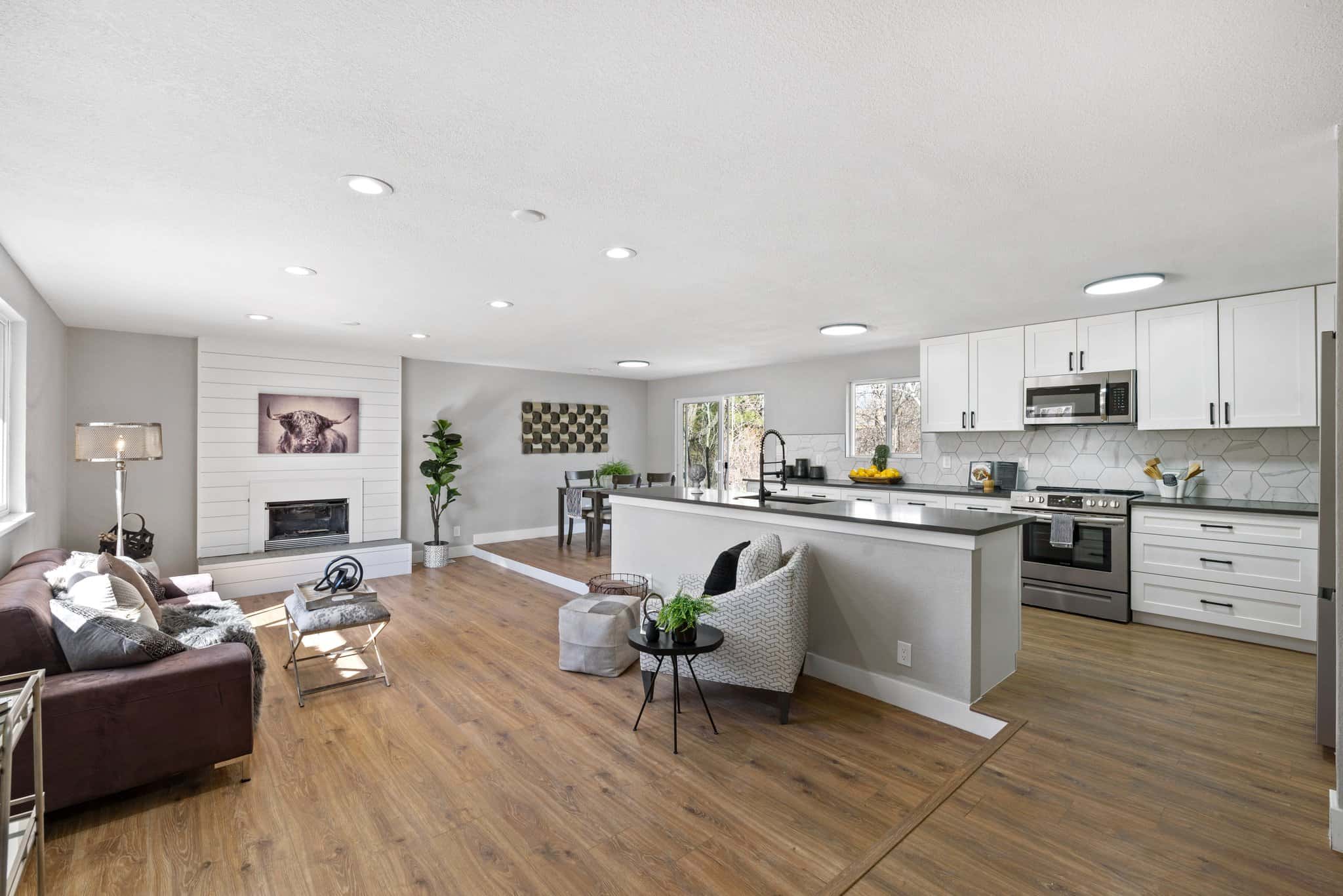
Making Your Cabinet Painting Decision
So, can you paint over cabinets and get results worth the investment? Yes, when you approach it with realistic expectations and refuse to cut corners on preparation and materials.
Your Fairhope kitchen cabinets can look fresh and updated without the disruption and expense of full replacement. The process works when you match proper techniques to your specific cabinet material, use quality primers and paints suited to coastal humidity, and either develop the skills yourself or hire cabinet painters who won’t compromise on the steps that matter.
The homeowners who regret cabinet painting are typically those who chased the lowest price or tried speed over quality. The ones who love their results invested in proper preparation and materials—whether tackling it themselves or hiring professionals who do things right.
Your kitchen deserves better than cabinets that embarrass you. Whether you’re preparing to sell or simply tired of apologizing for your outdated space, painting over your cabinets can deliver the transformation you want. Just make sure you do it right the first time.
Ready to Transform Your Fairhope Kitchen?
Stop staring at those tired cabinets, wondering if there’s a better option. You’ve got the information—now it’s time to make the decision that fits your budget, timeline, and expectations.
At Ed Wade Painting, we’ve helped countless Fairhope homeowners transform their kitchens through expert cabinet painting. We don’t cut corners on prep work, we use primers and paints designed for coastal climates, and we warranty our work because we’re confident it will last.
Call us at 251-336-6477 to schedule your free cabinet estimate. We’ll inspect your specific cabinets, discuss your goals honestly, and provide a detailed quote that includes every step of our proven process. No pressure, no sales games—just straight answers about what makes sense for your kitchen.
Your updated kitchen is one phone call away. Let’s make it happen together.