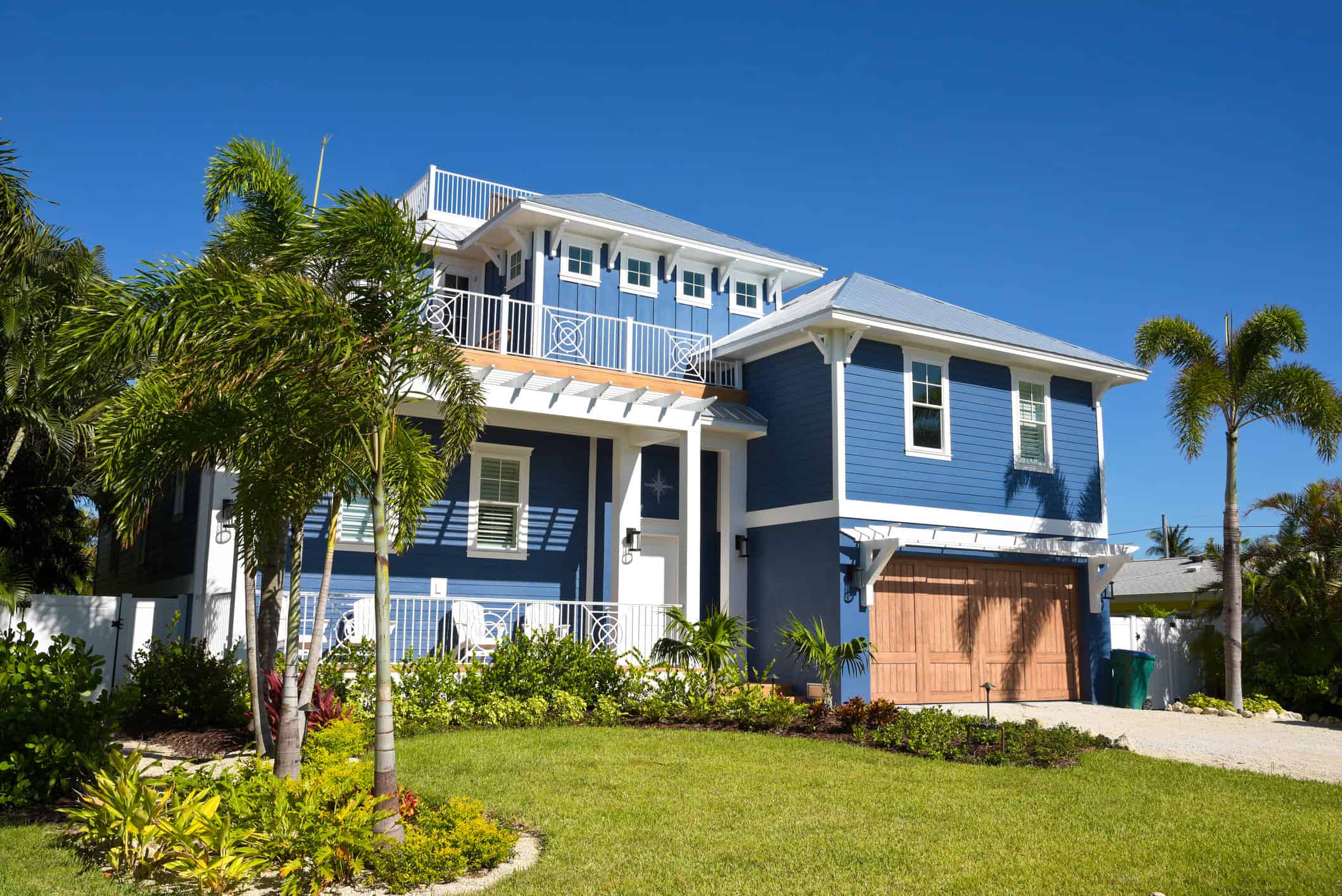
You bought a condo or beach house in Gulf Shores or Orange Beach to enjoy, rent out, and hold as an investment. The catch is that you live in California or New York, and your property sits in one of the most aggressive paint-destroying climates in the country with no one checking on it.
Owners usually call us after a guest review mentions peeling walls, or after a property manager flags exterior damage right before spring bookings open. By then, what started as a surface problem has often turned into something more expensive. This post covers the five paint-deterioration signs out-of-state owners miss most, and what to do about them before rental season lands.
Key Takeaways:
Why Gulf Shores Paint Fails Faster Than You Expect
If your primary home is in California or New York, you may be used to exterior paint lasting 10 to 15 years. That rule does not hold on the Gulf Coast, where intense sun, humidity running 70 to 90 percent year-round, and salt air off the water attack surfaces constantly.
Salt carried through the air settles on exterior surfaces even when a property is not directly on the water. Unlike dust, it does not just sit there. Paired with humidity, it creates an aggressive environment that breaks down paint and corrodes metal fixtures, railings, and trim.
Gulf Shores and Orange Beach sit in Baldwin County, where salt air, hurricane exposure, and a booming short-term rental market push inspection needs past a standard walkthrough. Coastal homes here can realistically need a repaint every 4 to 5 years, especially on south and west-facing elevations, and high-turnover rentals often need annual interior touch-ups. If you are not seeing the property regularly, those timelines sneak up fast.
Sign 1: Peeling and Bubbling Paint
Peeling and bubbling are the most visible signs an exterior coating has failed. They usually mean moisture is trapped beneath the film, and the paint has lost adhesion and can no longer protect the material underneath.
Once salt penetrates the surface, paint begins to bubble, peel, or flake, and lingering humidity keeps surfaces from drying, which invites mildew and rot beneath the compromised layers.
Here is what matters for out-of-state owners specifically: by the time a guest notices peeling and mentions it in a review, the damage underneath is rarely limited to the surface. Water that gets behind the film works into the substrate, which can rot trim and siding and grow mold behind the wall. Catching peeling early is the difference between a straightforward repaint and a repair-then-repaint job.
Sign 2: Chalking on Exterior Walls
Chalking is easy to miss from photos, but it is a clear sign the protective coating is breaking down. Drag a cloth across the siding, and if it comes away with a white or grey powder, the paint is chalking. UV breaks down the binder in the film, and the pigment releases as powder once the paint has spent its UV protection.
South and west walls on beachfront and lagoon-side properties chalk and fade noticeably faster than the shaded sides. So your ocean-facing walls can be well past their useful life while the protected sides still photograph fine.
Painting over a chalked surface without washing and priming produces adhesion failure within a year, because the new coat has nothing solid to bond to. This is why the job, done right, always starts with inspection and proper prep before a sprayer touches the wall.
Sign 3: Mildew and Dark Streaking
Dark streaks, green patches, and black staining on siding or soffits are common in Baldwin County’s warm, humid air. Persistent streaks on shaded sides or beneath soffits point to a coating that no longer resists growth. If the discoloration returns quickly after cleaning, the finish has likely lost its protective qualities, which means the film is failing, not just dirty.
For a condo or beach house that sits closed for stretches, especially in summer when the AC is off or set high, humidity spikes indoors too. Interior walls, particularly in bathrooms and kitchens, can develop the same biological growth exterior siding does. Our guide on most durable interior paint finishes covers which products hold up longest in Gulf Coast vacation properties.
Sign 4: Failing Caulk Around Windows and Trim
Caulk is one of the quietest problems on a vacation home’s exterior, and one of the most damaging when ignored. Near the coast, it fails faster than owners expect.
Caulk seals the gaps where materials meet, like trim against siding. Over time it loses elasticity, dries out, and pulls away from the edges. Once you can see gaps around a window frame, the seal is broken, and water entering there is a leading cause of interior wall damage and structural rot.
This shows up constantly in our exterior trim paint problems work, where salt air and UV dry out caulk lines early. When the job includes a proper inspection, failing caulk around windows and trim is almost always one of the first things a trained eye catches.
Sign 5: Fading and Color Loss
Fading gets dismissed as cosmetic. It is not. Constant sun breaks down paint pigments, and fading or uneven discoloration means the film’s protective qualities are weakening, which leaves the surface more open to environmental damage.
Humidity feeds mildew while summer sun accelerates wear and drains color faster than inland. For a rental, that hits the bottom line: a property that photographs well books better, and a washed-out exterior can quietly cost you reservations before a guest ever reads a review.
Our post on the signs you need exterior painting lays out the full visual checklist, handy to share with a property manager or neighbor who can walk the property for you.
What Happens When You Wait
Acting early keeps it a painting project. Waiting turns it into a repair job, and the difference in scope and cost can be significant.
For out-of-state owners, distance compounds the risk, since you cannot see what happens between visits. A small peeling section or a few failing caulk lines can spread across an entire elevation by the time you are back for summer. Most exterior paint problems do not stay isolated.
Beyond looks, water intrusion through a compromised film leads to coastal roof and substrate problems that cost far more to fix than a fresh coat would have.
How Ed Wade Painting Helps Out-of-State Owners
Ed Wade Painting has served Baldwin County since 2011, and a large share of that work is for owners who are not local. Coordinating a repaint from another state takes trust in the contractor on the ground, and that is exactly what we have spent more than a decade building.
We are licensed, insured, bonded, and carry workers’ compensation coverage. Our work comes with a 5-year workmanship warranty, so we stand behind it through multiple rental seasons. Every job includes a detailed walkthrough and a scope in writing before work begins, so you know exactly what is being done and why.
We are also long-standing members of the Home Builders Association of Alabama and have been rated among the top painters in Baldwin County for multiple years. If you want to understand pricing before you call, see our guide on what affects exterior painting cost.
When we get on-site, we are not just looking at color. We are checking for the five signs above, testing caulk lines, looking at soffits and trim, and giving you an honest picture of what the property needs, so you can protect the investment and keep it rent-ready from 2,000 miles away.
If you own a condo or vacation home in Gulf Shores, Orange Beach, or anywhere in Baldwin County and are not sure when the exterior was last painted, let us take a look. We offer free on-site estimates and can send a full scope with photos before you approve any work. Contact Ed Wade Painting at 251-336-6477 to get started.